
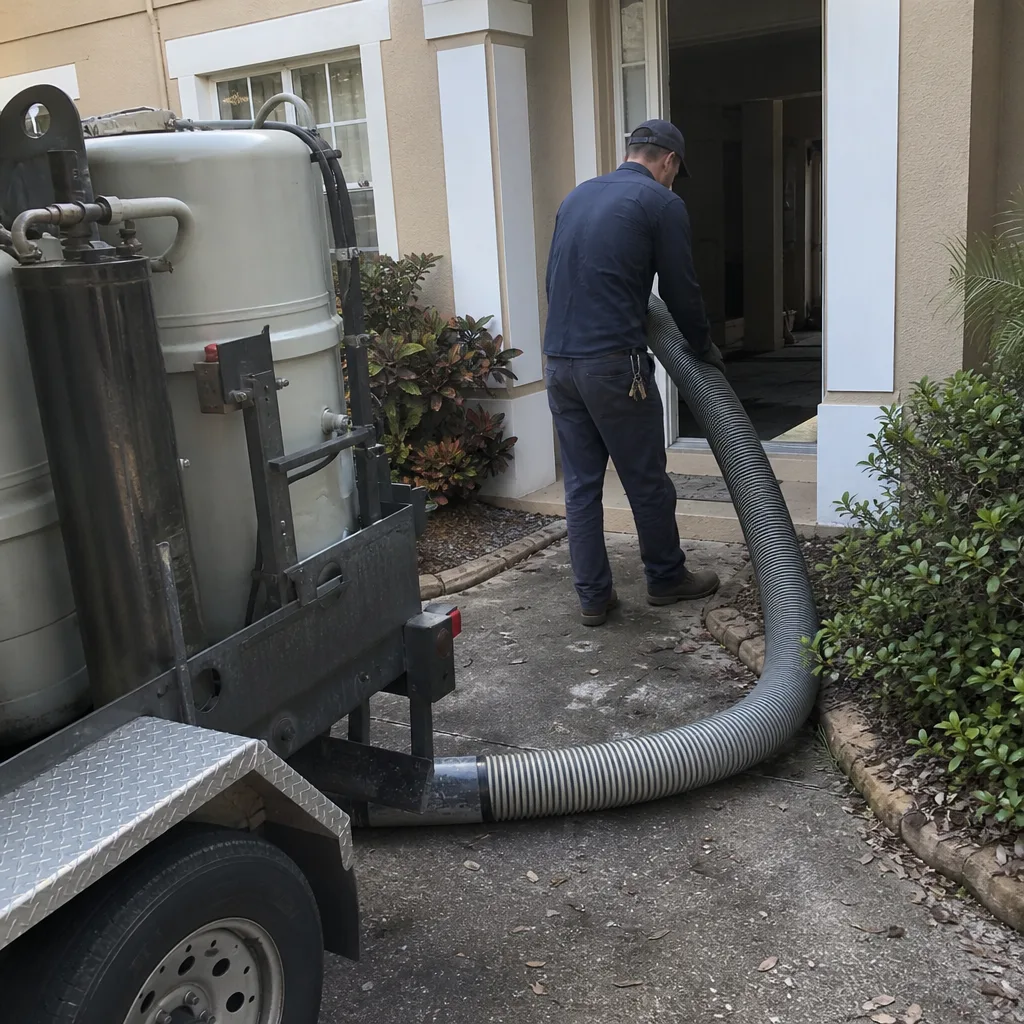
Last updated October 15, 2026
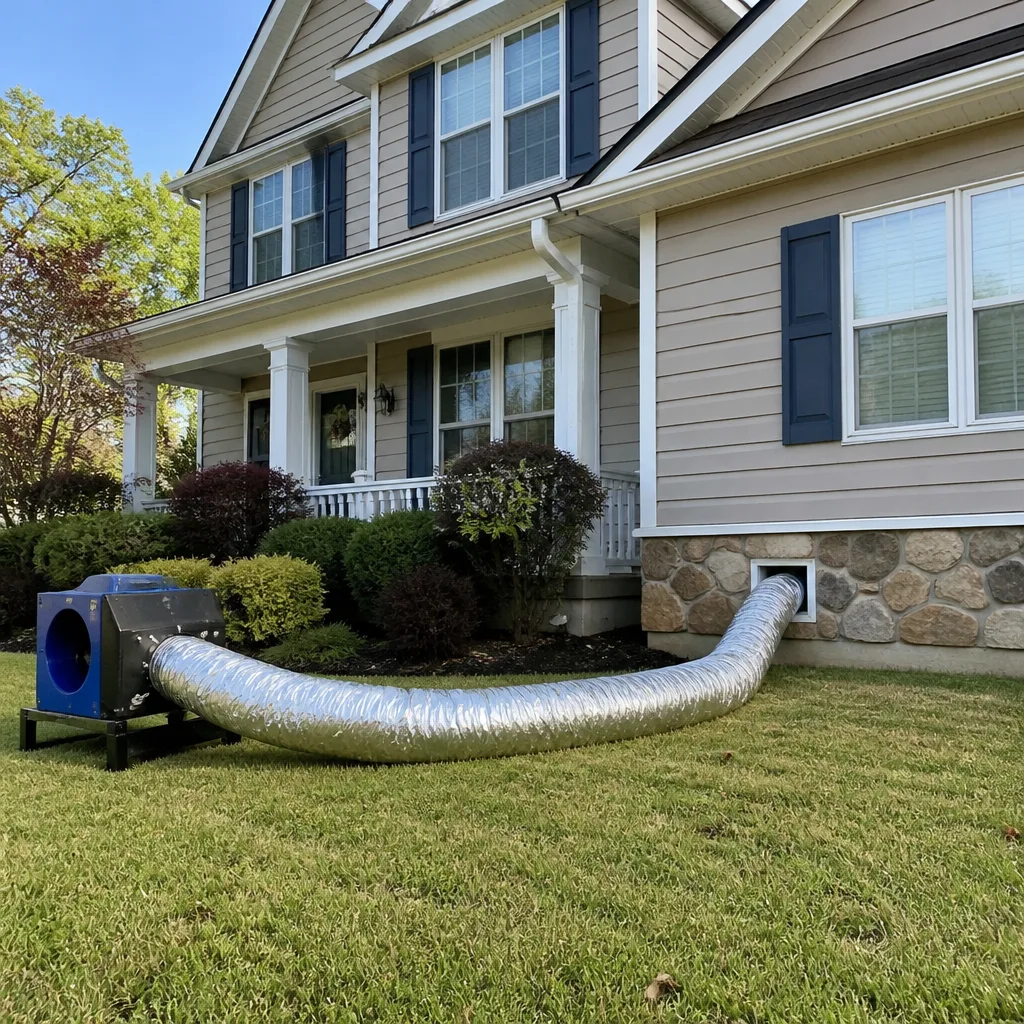 Whole-home duct cleaning
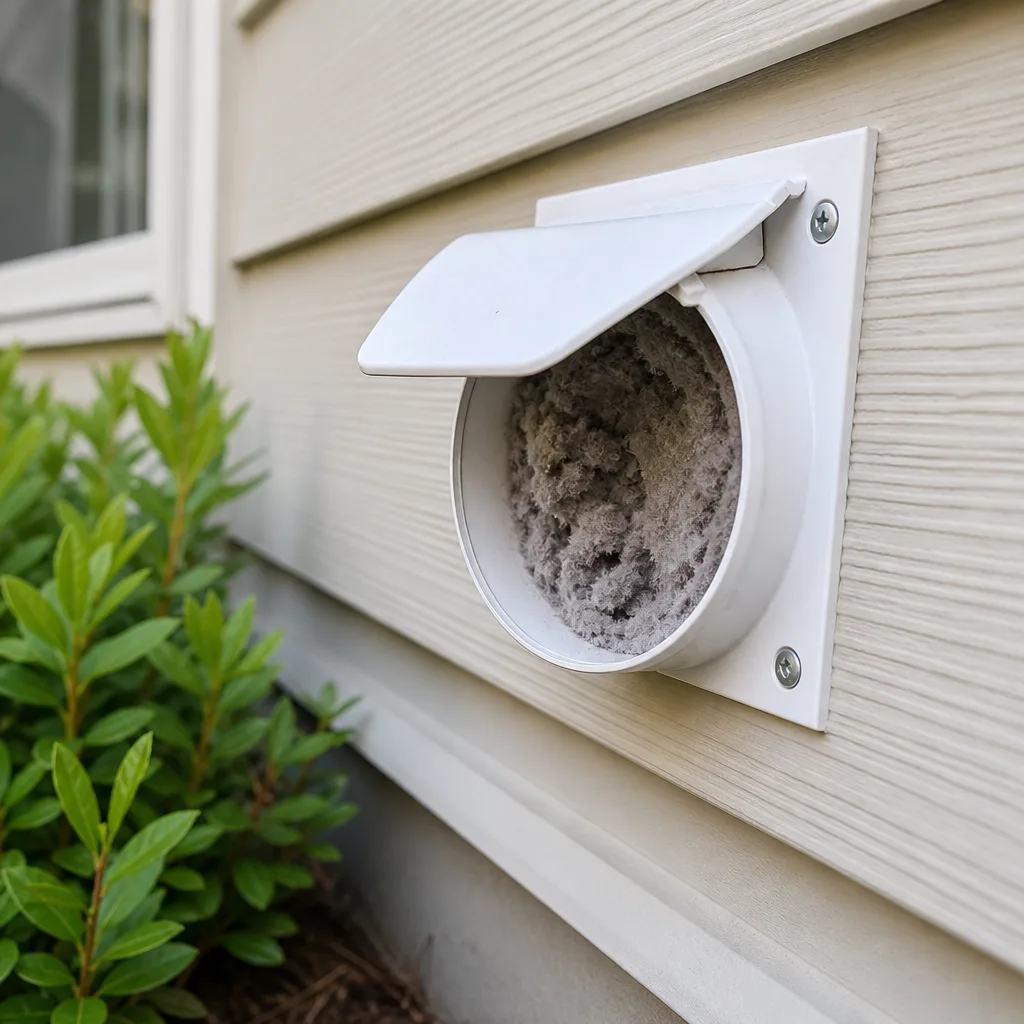 Dryer vent cleaning
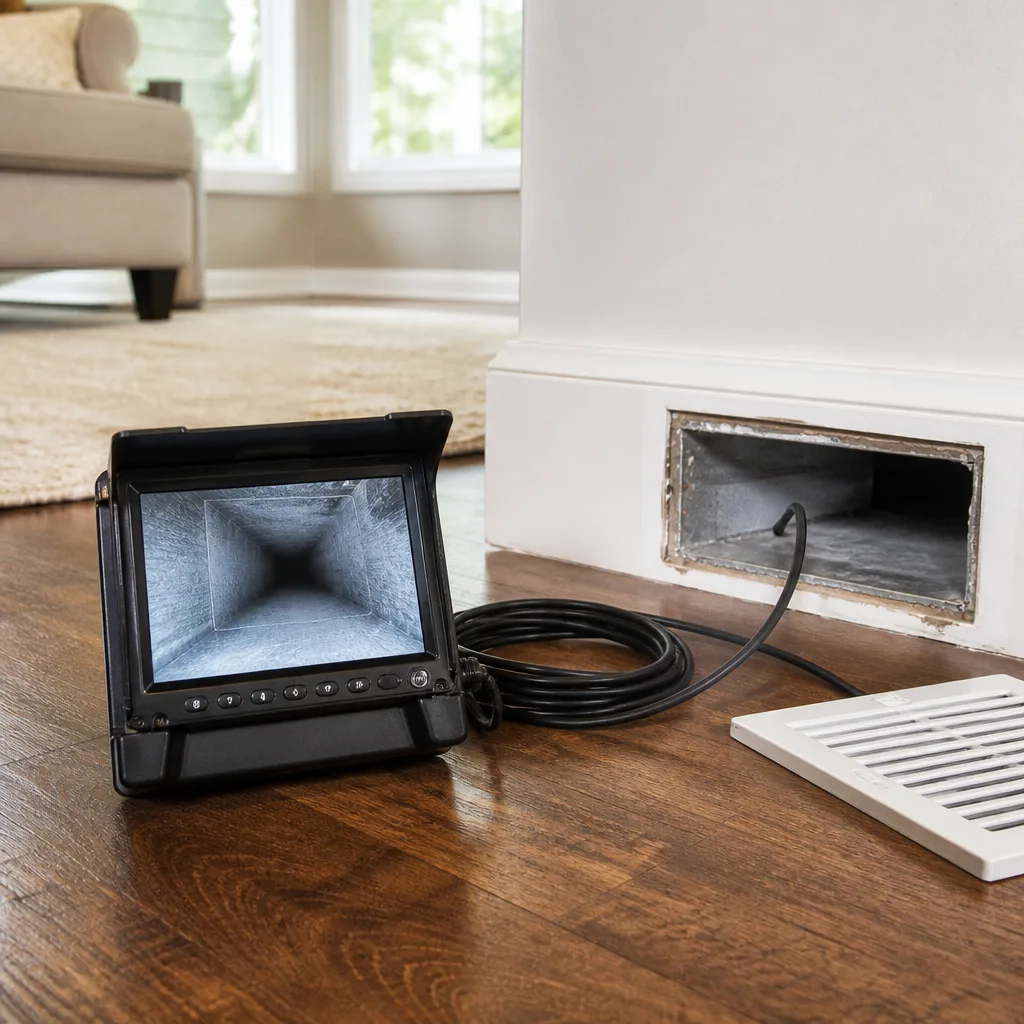 Camera inspection
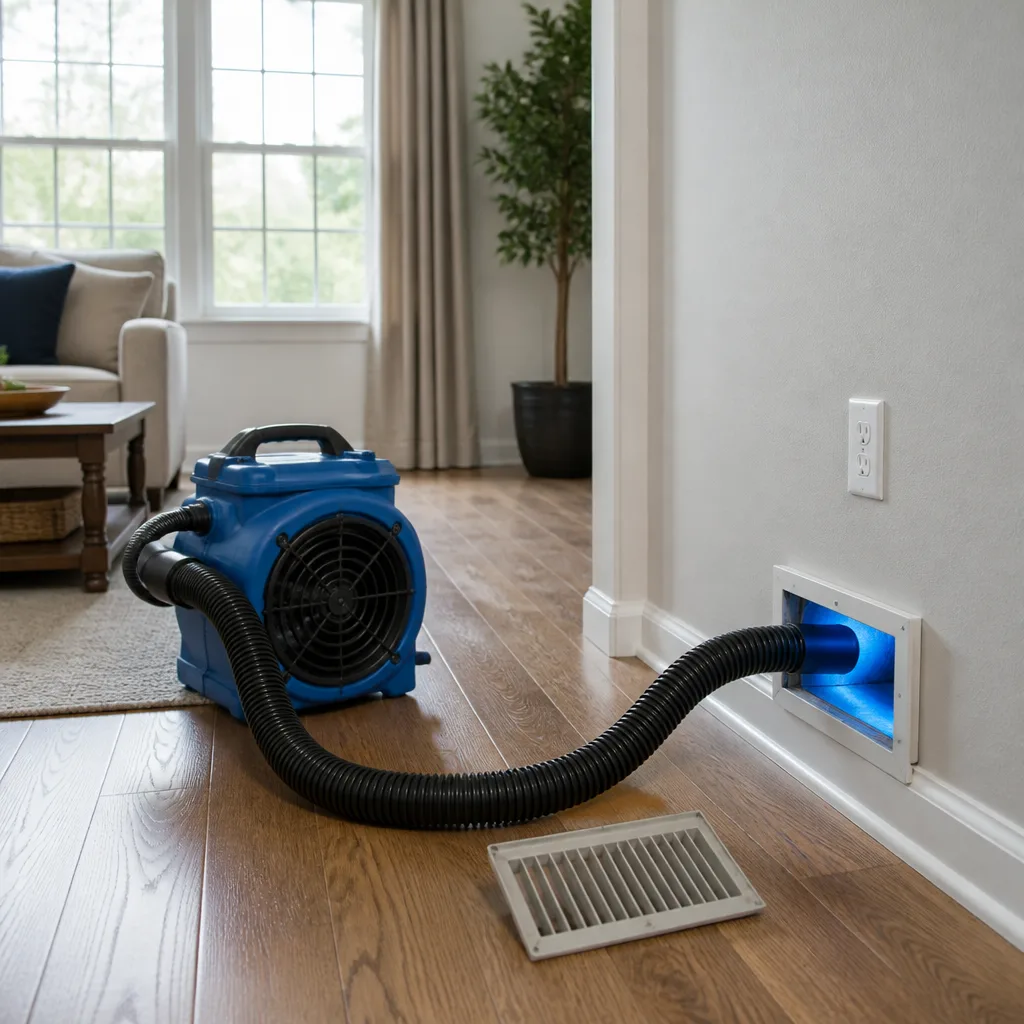 Sanitizing & deodorizing
Whole-system duct and dryer vent check with before-and-after photos - you see exactly what came out of your vents
That "$99 whole-house special" is a bait ad - the real number appears once they are in your hallway, or the "clean" is a shop-vac at the register. We photograph the inside of your ducts before and after instead.
Air Duct Cleaning Warning Signs: A Orlando Homeowner’s Reference Guide
Dusty vents are the last warning sign, not the first. By the time you can see debris collecting on a register in your Orlando home, the duct system has been quietly accumulating it for months. What shows up earlier is usually behavioral: the dog that suddenly avoids the guest room, the toddler with a cough that only appears indoors, the electric bill that climbs even though you haven’t changed the thermostat. This guide walks through the early indicators most people miss, the visual checks worth doing yourself, and the difference between a dirty duct system and a dangerous dryer vent blockage. For more guides & resources, visit our blog. If you own a home anywhere from College Park to Lake Nona, these signs apply to you.
Quick Answer
The most common early warning signs that your Orlando home needs Air Duct Cleaning are indoor-only allergy symptoms, uneven room temperatures, a musty smell when the AC first kicks on, unexplained utility bill increases, and dust returning within days of cleaning. Visible debris on registers usually appears last. If you notice any two of these together, the duct system is the likely culprit.
Styles & brands we work with
Table of Contents
- Behavioral Signs in Kids and Pets That Appear Before Visible Dust
- HVAC Performance Signals: Temperatures, Cycles, and Utility Bills
- What a Musty Smell After AC Startup Actually Means in Orlando’s Climate
- Visual Register and Return-Air Inspection: Normal vs. Concerning
- When Warning Signs Point to Dryer Vent Blockage Instead
- Common Mistakes to Avoid
- When to Call a Professional
- Frequently Asked Questions
Behavioral Signs in Kids and Pets That Appear Before Visible Dust
Children and pets are often the first sensors in a home. They spend more time close to the floor, they breathe faster per pound of body weight, and their respiratory systems are smaller and more reactive. In our experience across Orlando, the earliest sign of duct contamination is rarely a dusty vent. It’s a pattern of symptoms that changes with location.
A toddler who coughs at night in their bedroom but not at daycare, a school-age child whose asthma is worse in the living room than at a friend’s house, a dog that used to nap in the den but now stays in the kitchen. These are behavioral signals, and they deserve as much attention as any visual inspection.
Signs That Often Precede Visible Duct Debris
- Indoor-only allergy symptoms. Sneezing, congestion, or itchy eyes that improve when the family leaves the house and return within an hour of coming home. Outdoor allergens in Orlando are seasonal; indoor symptoms that persist year-round point to something inside the envelope of the home.
- Pet avoidance of certain rooms. Dogs and cats have far more sensitive noses than humans. A dog that refuses to lie down in a particular bedroom or a cat that won’t enter a hallway may be responding to mold spores, dust mite accumulation, or trapped moisture inside the duct run serving that space.
- Coughing that follows the AC cycle. A child who coughs more when the air conditioner is running, and less when it’s off, is reacting to something being circulated, not something sitting still.
- Restless sleep without an obvious cause. Stuffy air and particulate matter can disrupt breathing during sleep, especially in children with smaller airways. If a child sleeps better in a hotel room than in their own bed, consider the air delivery system.
These signs are easy to dismiss because they’re invisible and gradual. A family adapts to them. But parents in Orlando know their children’s patterns, and when the pattern shifts without an obvious explanation, the duct system is a sensible place to look. We’ve walked through homes where the only complaint was “our daughter doesn’t like her room anymore,” and the return-air grille in that room was packed with a half-inch of gray matting.
HVAC Performance Signals: Temperatures, Cycles, and Utility Bills
Restricted airflow changes how your air conditioner behaves. In Orlando’s climate, where the system runs hard from April through October, those behavioral changes show up quickly. A duct system that’s partially clogged forces the blower to work harder, lengthens cooling cycles, and creates temperature differences between rooms that should cool evenly.
Three Performance Signals to Watch
- Uneven room temperatures. One bedroom stays five or six degrees warmer than the rest of the house, even with the door open and the vent fully open. This often indicates reduced airflow to that room, commonly caused by debris buildup at the branch duct or a partially collapsed flex duct. In older Orlando homes, especially those built before 1990, flex duct can sag and collect debris at the low point.
- Longer cooling cycles. The system runs longer to reach the set temperature, or it never quite reaches it on the hottest afternoons. The thermostat says 78 but the house feels like 81. Longer cycles also mean higher indoor humidity, because the coil has less time to remove moisture from the air.
- Unexplained utility bill increases. When duct efficiency drops, the system consumes more electricity to move the same volume of air. A $40 or $50 monthly increase with no change in thermostat settings, no new appliances, and no rate change often tracks to restriction in the ductwork. In Orlando’s summer months, that inefficiency compounds quickly.
None of these three signals is proof of dirty ducts on its own. A refrigerant charge problem, a failing capacitor, or a damper left closed can mimic all of them. But if you’ve had the HVAC system serviced and the issue persists, the ductwork becomes the next thing to examine. Air duct cleaning in Orlando addresses the delivery pathway, not the equipment itself, and it’s often the missing variable when a system tests fine but performs poorly.
What a Musty Smell After AC Startup Actually Means in Orlando’s Climate
Orlando’s humidity is the context for almost every duct problem in the city. The air inside a duct system is rarely dry, even when the AC runs constantly. When the system cycles off, moisture can condense on interior surfaces, especially in the return plenum and the first few feet of the supply trunk. That moisture interacts with whatever is already inside: dust, pet dander, pollen, textile fibers.
The result is a musty smell that appears in the first 30 to 60 seconds after the AC starts, then fades as the airflow dries the surfaces. In Central Florida, this is one of the most common complaints we hear, and it has a specific meaning.
What the Musty Smell Indicates
- It’s not necessarily mold. It’s often the off-gassing of decomposing organic matter: dead skin cells, trapped pollen, pet dander, and insect fragments that have accumulated on the inside of ducts and mixed with condensation. In a humid climate like Orlando’s, that material breaks down faster and smells stronger.
- It’s different from a dirty sock smell. If the odor is sharp, sour, and persistent rather than earthy, it often points to microbial growth on the evaporator coil itself, not the ducts. That’s an HVAC service issue, not a cleaning issue. The distinction matters because cleaning the ducts won’t fix a contaminated coil.
- It can be isolated by timing. A smell that only appears at startup and fades within a minute usually originates in the return path or the coil area. A smell that persists throughout the cooling cycle may indicate growth deeper in the supply ducts.
In our experience in Orlando, a musty startup smell combined with visible humidity damage around registers (water stains, peeling paint, rust on the grille screws) warrants an inspection sooner rather than later. The moisture source needs to be identified before or during the cleaning, because cleaning alone won’t solve a condensation problem that will simply recur in six months.
If you’re reading this and thinking about scheduling a duct inspection, the Mortons Air Duct Orlando home page has more detail on how we approach diagnostics before cleaning.
Visual Register and Return-Air Inspection: Normal vs. Concerning
You can learn a lot from a flashlight and five minutes of looking. Here’s a step-by-step inspection guide you can do in your Orlando home without any special tools. For deeper context, see The Complete Guide to Air Duct Cleaning in Orlando.
How to Inspect Your Registers and Return-Air Grilles
- Turn off the AC. You want the dust settled, not moving. If the system is running, wait 10 minutes after shutdown before inspecting.
- Remove one supply register in a bedroom. Most registers in Orlando homes are held by two screws or simply drop into the boot. Use a flashlight and look down into the boot.
- Examine what you see. A thin, even coating of gray dust is normal in any home that’s been lived in for more than a year. What you’re looking for is buildup: thick matting, clumps, or debris caked around the edges of the boot.
- Check the return-air grille. Pull the grille off (usually one or two screws or clips). Look at the filter, if there is one, and the cavity behind it. The return side is often dirtier than the supply side because it carries unfiltered air back to the system.
- Check two or three more registers in different rooms. If every room shows the same heavy buildup, the whole trunk line is affected. If only one room is bad, the issue may be isolated to that branch run.
Normal vs. Concerning: What You’re Looking For
- Normal: A fine, even dust film on register blades. Light gray, brushes off easily, no odor. This is ordinary household dust and does not require professional cleaning on its own.
- Concerning: Thick matting that has visible texture, dark gray or black accumulation, debris that clings when you wipe it, or any material that looks like it’s grown rather than settled. In Orlando, dark staining on a register boot can indicate moisture exposure rather than mold, but it should be evaluated.
- Concerning: Visible debris falling from the register when the system kicks on. If you see particles blown into the room at startup, the system is actively distributing whatever is inside the ducts.
- Normal in homes with pets: Hair and fur accumulating quickly on return-air grilles. That’s the filter doing its job. The concerning part is what gets past the filter and into the duct run itself.
A quick note on photos: most homeowners don’t know what “normal” looks like because they’ve never seen the inside of a clean duct. That’s why our technicians use equipment from brands like Rotobrush and Nikro, which include inspection cameras that show the duct interior before and after cleaning. You shouldn’t have to guess whether the work was done correctly.
When Warning Signs Point to Dryer Vent Blockage Instead
Some of the warning signs that send Orlando homeowners looking for air duct cleaning actually originate in the dryer vent. Confusing the two is common, and occasionally dangerous. Read our DIY vs Professional Air Duct Cleaning: The Orlando Homeowner’s Decision Guide to understand when to call in help. Clothes dryers produce combustible lint, and a blocked dryer vent is the leading cause of dryer-related fires in residential homes, according to national fire data.
Signs That Indicate Dryer Vent Blockage, Not Duct Debris
- Clothes take longer than one cycle to dry. A full load of towels that needs 90 minutes or more in a dryer that used to finish in 45 is a classic restricted-vent symptom. The heat and moisture can’t escape the drum, so the dryer works longer.
- The dryer exterior gets hot to the touch. A dryer that feels unusually warm on the outside during a normal cycle is retaining heat that should be exiting through the vent.
- The laundry room feels humid while the dryer runs. Moist air escaping into the room instead of the vent pipe means the path is partially blocked.
- You can’t remember the last time the vent was cleaned. Most Orlando homes should have the dryer vent cleaned at least once a year, more often with large families or heavy laundry use.
- Lint is visible around the exterior vent opening. The flapper may be stuck open by lint accumulation, which also allows humid Orlando air and pests into the vent line.
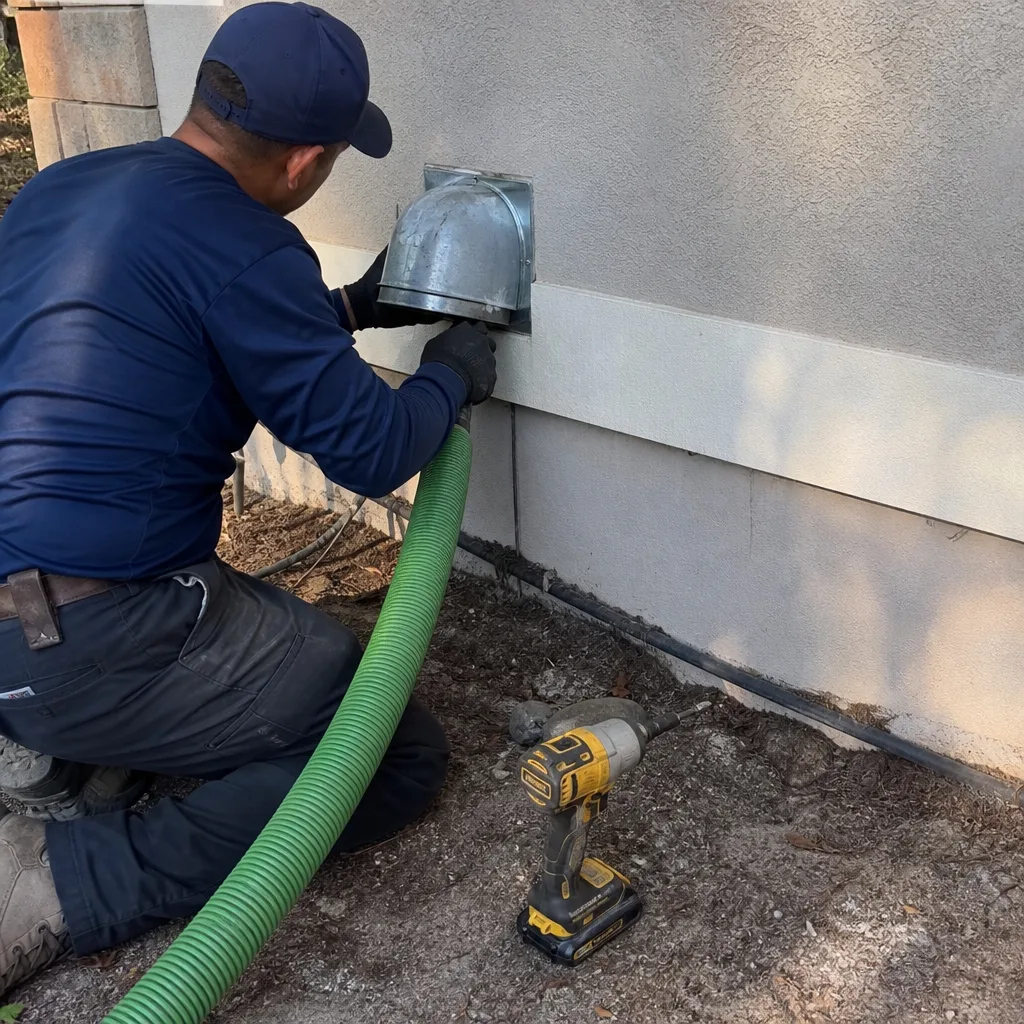
Dryer vent cleaning and air duct cleaning are different services using different equipment and different access points. Dryer vent cleaning in Orlando should be done by someone who understands the full vent run length, the materials in the wall, and the exterior termination point. If you notice any of the signs above, don’t wait for the visible duct dust to accumulate. A restricted dryer vent is a safety issue first and an efficiency issue second.
Common Mistakes to Avoid
- Waiting for visible dust before acting. By the time dust is visible on your registers, the system has been circulating contaminated air for months. The behavioral signs in this guide appear earlier, and acting on them saves your family discomfort and your HVAC system strain.
- Assuming the musty smell is normal for Florida. Some humidity odor is common in Orlando, but a persistent startup smell is not normal. It means something organic is decomposing inside your ductwork. Normalizing it delays a fix that’s usually straightforward.
- Cleaning only the registers. Wiping the grille blades makes the visible part look better, but the debris inside the boot and the trunk line remains. Register cleaning is cosmetic; duct cleaning is functional.
- Confusing dryer vent signs with duct signs. The symptoms overlap, but the fixes and the risks are different. A blocked dryer vent can cause a fire; dirty ducts cause discomfort and inefficiency. Know which problem you’re looking at.
- Hiring a company that quotes a per-vent price without seeing the system. Bait-and-switch pricing is common in this industry. A legitimate estimate in Orlando should be based on the size of the home, the number of systems, and the condition of the ducts – not a blanket low number that grows after the technician arrives.
- Ignoring the return-air side. Many homeowners focus on the supply registers they can see. The return-air plenum is often dirtier because it carries unfiltered air from the living space back to the system.
When to Call a Professional
Call a professional when you notice two or more of the warning signs in this guide at the same time: indoor-only allergy symptoms plus a musty startup smell, or uneven temperatures plus a climbing utility bill. Call when visible debris is being blown into the room, when the return-air grille shows heavy accumulation, or when a dog or child’s behavior has shifted in a way you can’t otherwise explain. In an Orlando home where the AC runs most of the year, the duct system is not a passive box; it’s an active part of your indoor environment.
Mortons Air Duct Orlando offers free estimates in Orlando – call (321) 204-8194. We’ll walk through what you’re seeing, what it likely means, and what the job would cost before anyone touches a register.
Frequently Asked Questions
You likely need air duct cleaning if you notice at least two of these signs together: indoor-only allergy symptoms, a musty smell when the AC starts, uneven room temperatures, dust returning within days of cleaning, or a utility bill that’s risen without explanation. Visible dust on registers is usually the last sign to appear, not the first.
In the Orlando market, whole-system air duct cleaning for a typical single-family home typically ranges from roughly $400 to $900 depending on the size of the home, the number of systems, and how long it’s been since the last cleaning. At Mortons Air Duct Orlando, every job includes a written price before any work starts, so there are no surprise charges. Call (321) 204-8194 for an exact quote based on your home.
Cheaper quotes often come from companies using light-duty equipment, quoting per-vent prices that don’t include the full system, or planning to upsell once they’re inside the home. A durable, professional-grade clean using equipment from brands like Rotobrush or Nikro costs more because it takes longer and actually removes debris from the full duct run. The price difference usually reflects the depth of the clean and the quality of the equipment.
You should receive visual proof. At Mortons Air Duct Orlando, every job includes before-and-after photos of the duct interior, and a photo of the clean-up before the crew leaves. Your registers should be reattached properly, the floors protected with shoe covers and drop cloths during the visit, and the air should feel cleaner within a few days.
Most Orlando homes benefit from air duct cleaning every 3 to 5 years. Homes with multiple pets, recent renovations, a history of water intrusion, or family members with allergies may need it more frequently. A home with no pets, no smokers, and a tight envelope might go longer. The honest answer depends on your home’s conditions, not a fixed schedule.
Yes, in many cases it does. When ducts are dirty, the HVAC system recirculates the same particulate matter through the house constantly. Removing accumulated dust, pet dander, and pollen reduces the total load of airborne irritants. Families in Orlando often report that a child’s indoor symptoms improve noticeably after a thorough cleaning, especially when combined with a clean filter and repaired duct leaks.
The Bottom Line
The earliest warning signs of air duct contamination in an Orlando home are behavioral, not visual. A dog avoiding a room, a child coughing only indoors, a utility bill climbing without explanation – these are the signals that appear before dust ever shows up on a register. A musty startup smell in our humid climate means organic material is decomposing inside the ducts. Uneven temperatures mean airflow is restricted. And a dryer that takes too long means the vent, not the ducts, may be the problem. None of these signs should be ignored, and none require guesswork. A free estimate from Mortons Air Duct Orlando costs nothing and tells you exactly what’s in your ducts, what it means, and what it would cost to fix. Call (321) 204-8194.
Written by Paul Adeyemi, Owner at Mortons Air Duct Orlando, serving Orlando since 2005.
See the difference
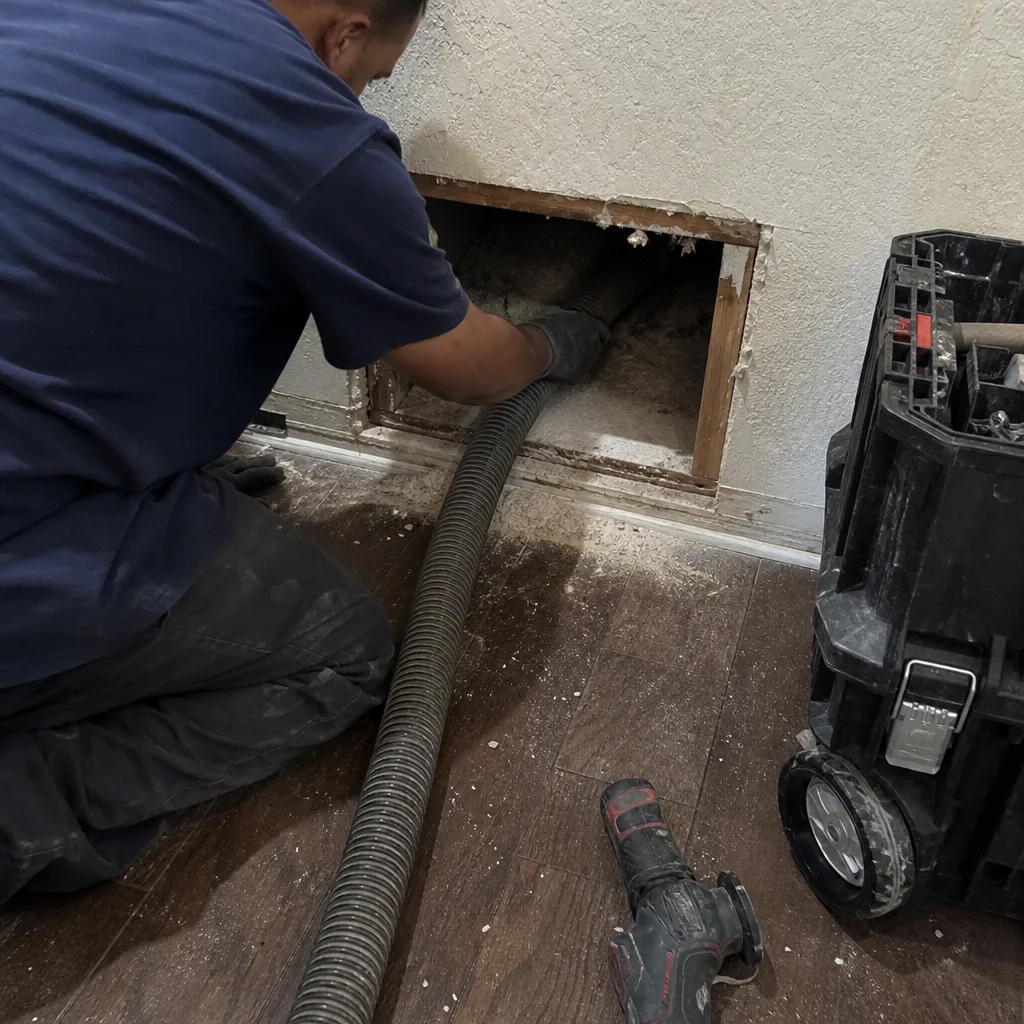 Before
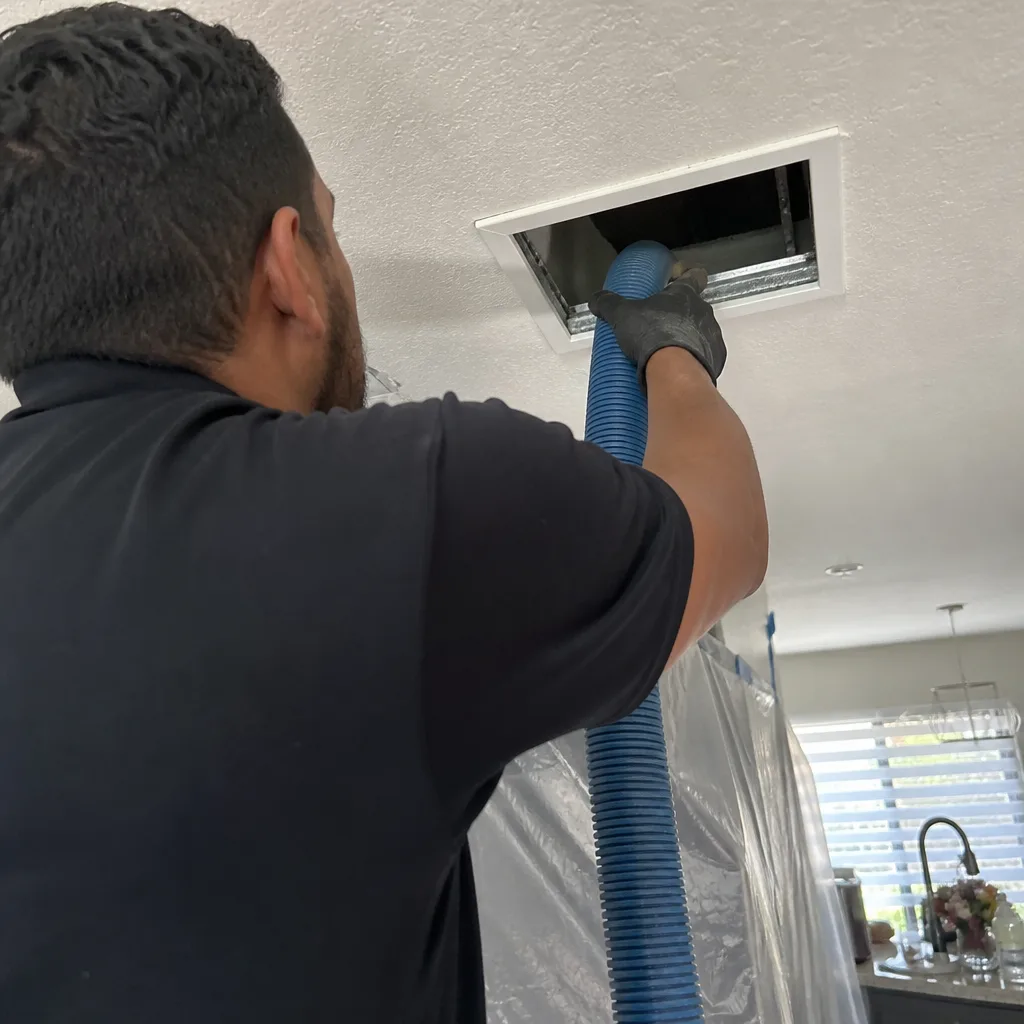 After
After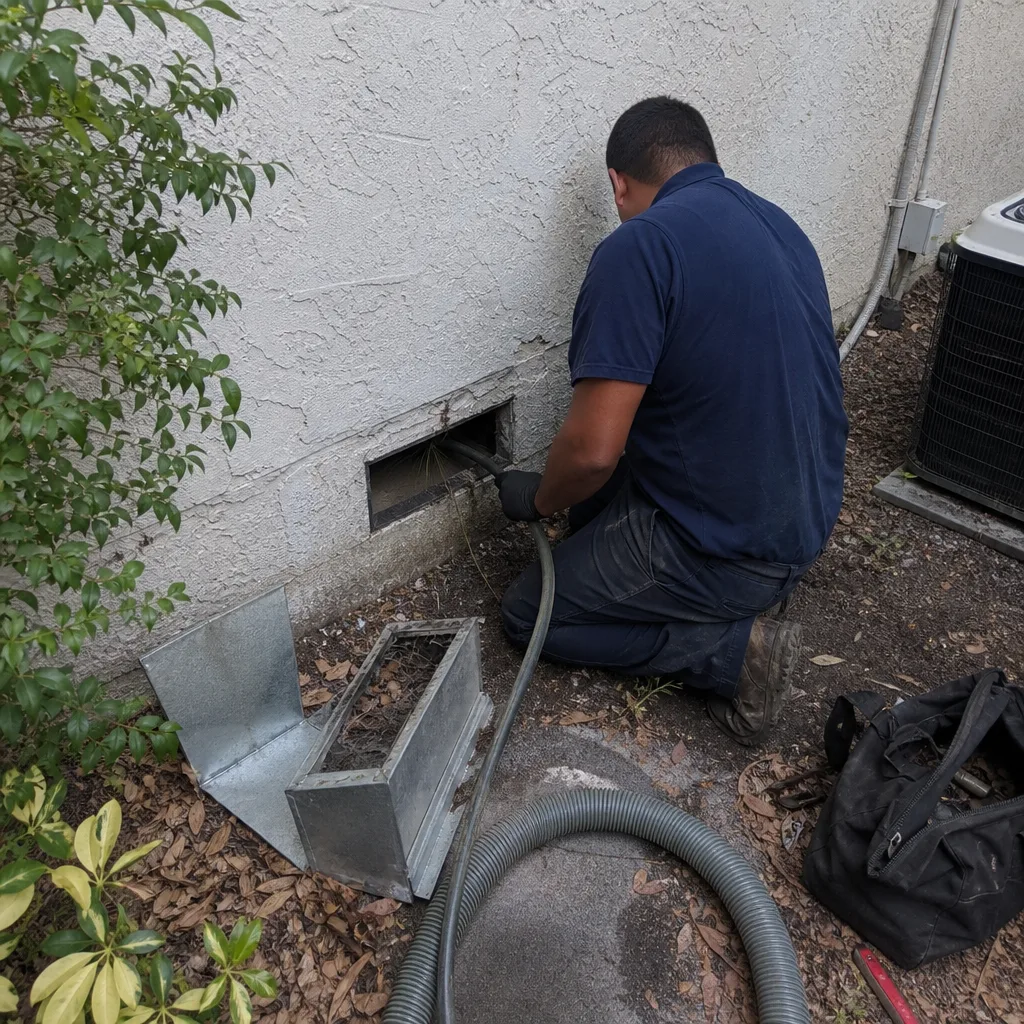 Before
 After
After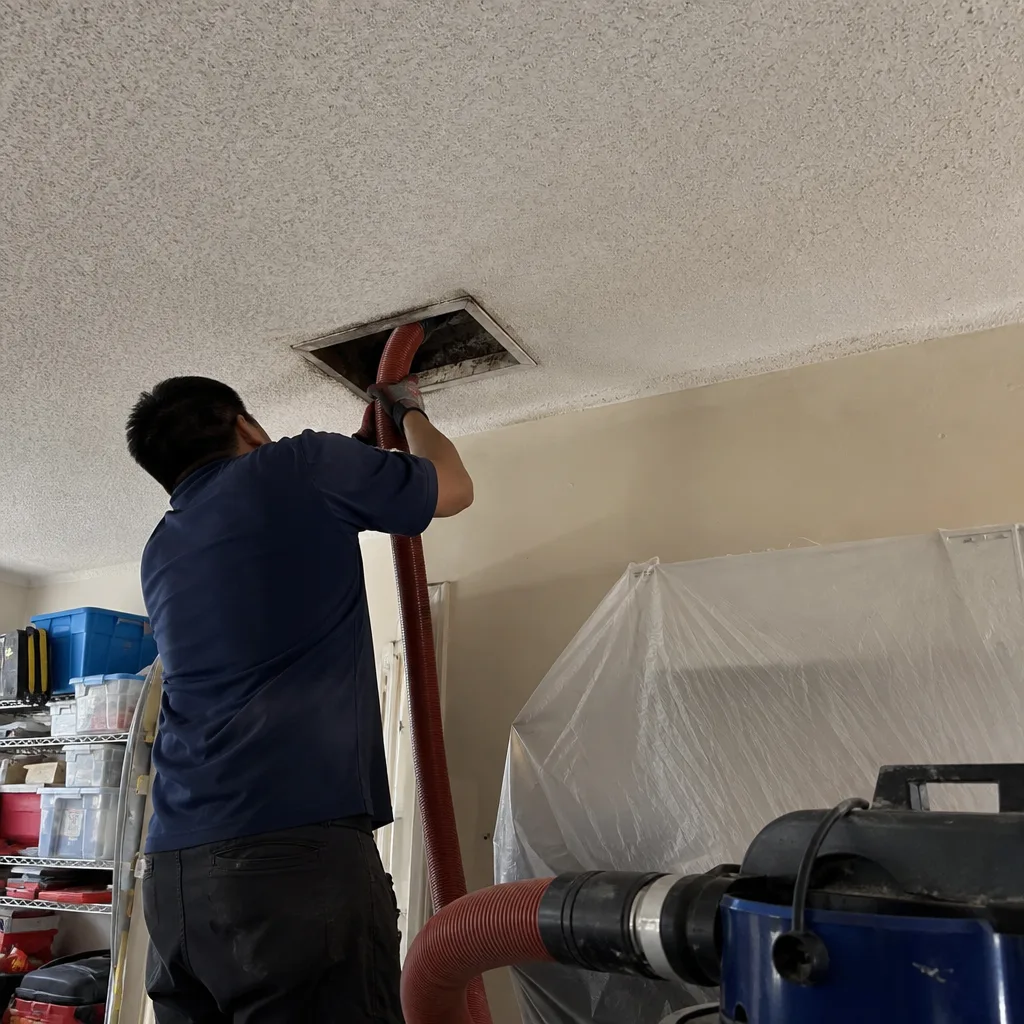 Before
 After
After