
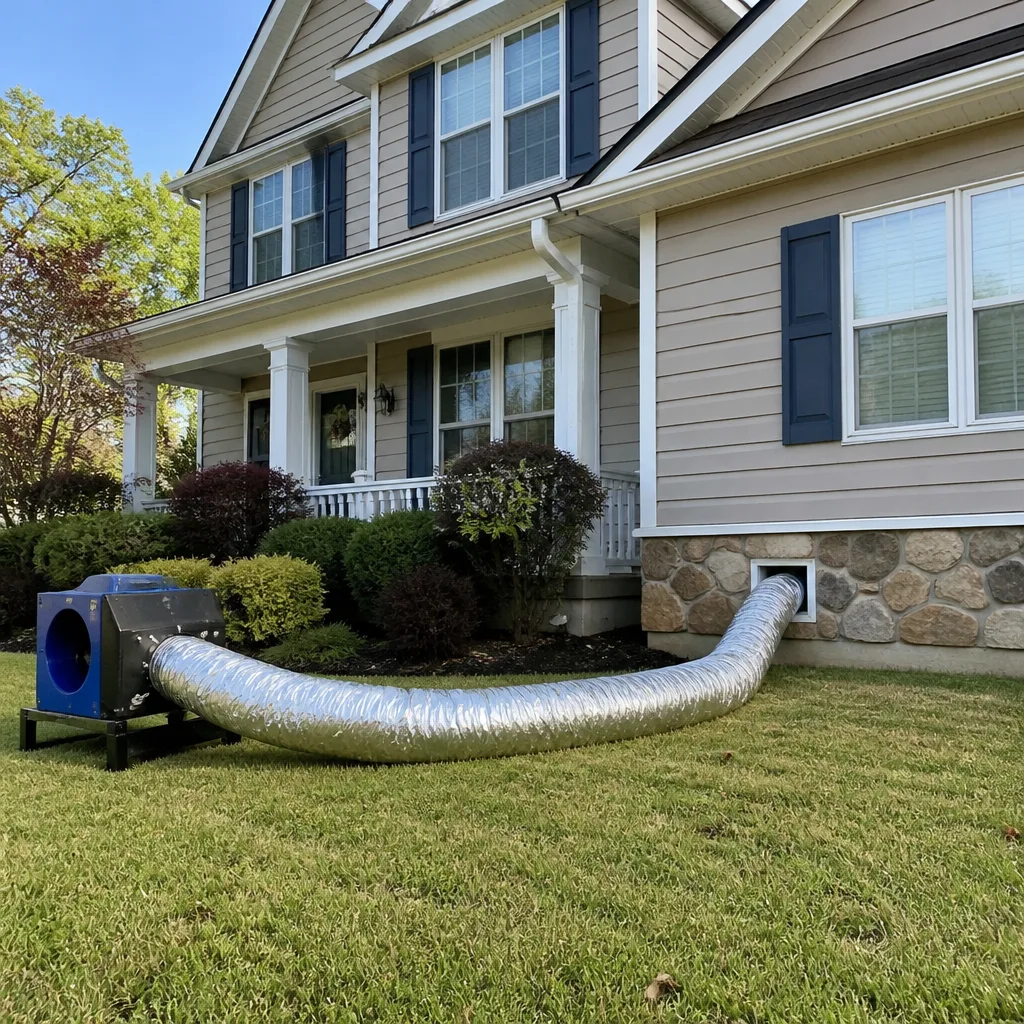
 Whole-home duct cleaning
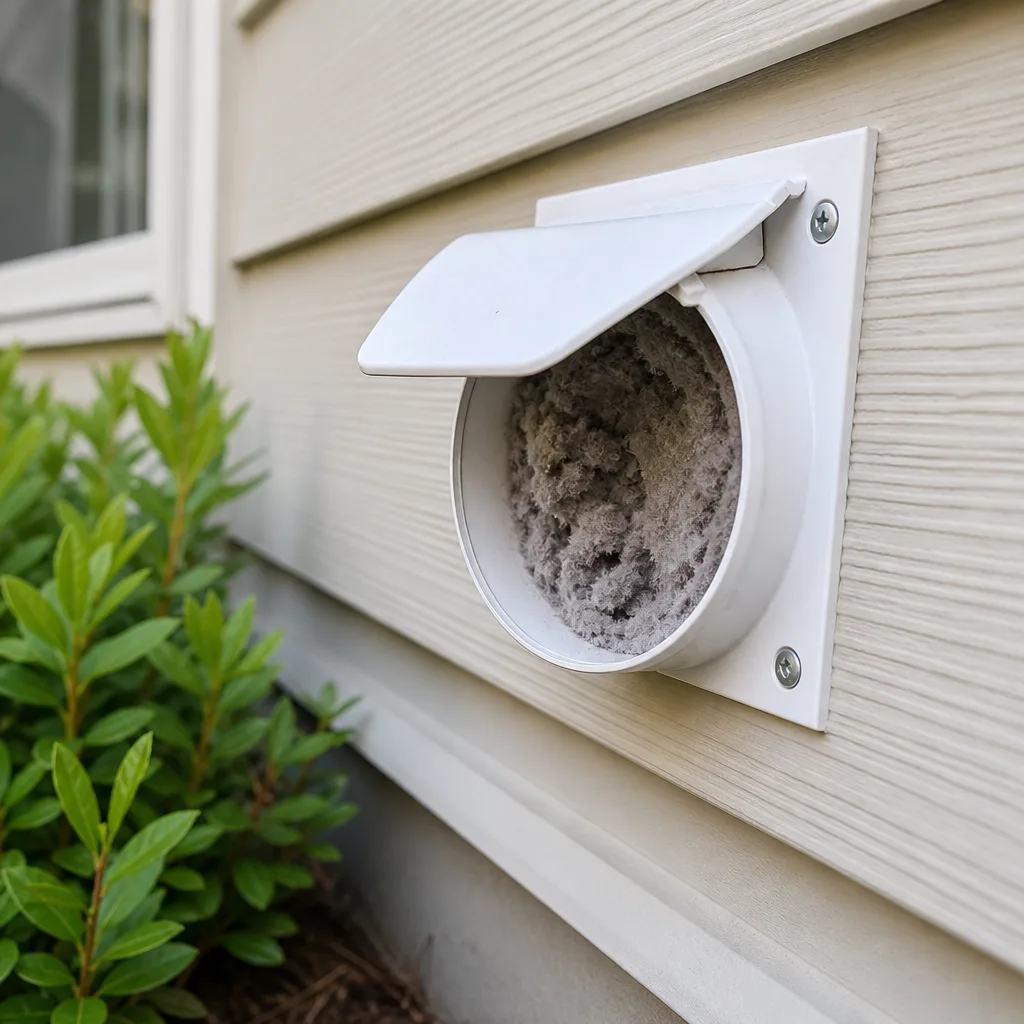 Dryer vent cleaning
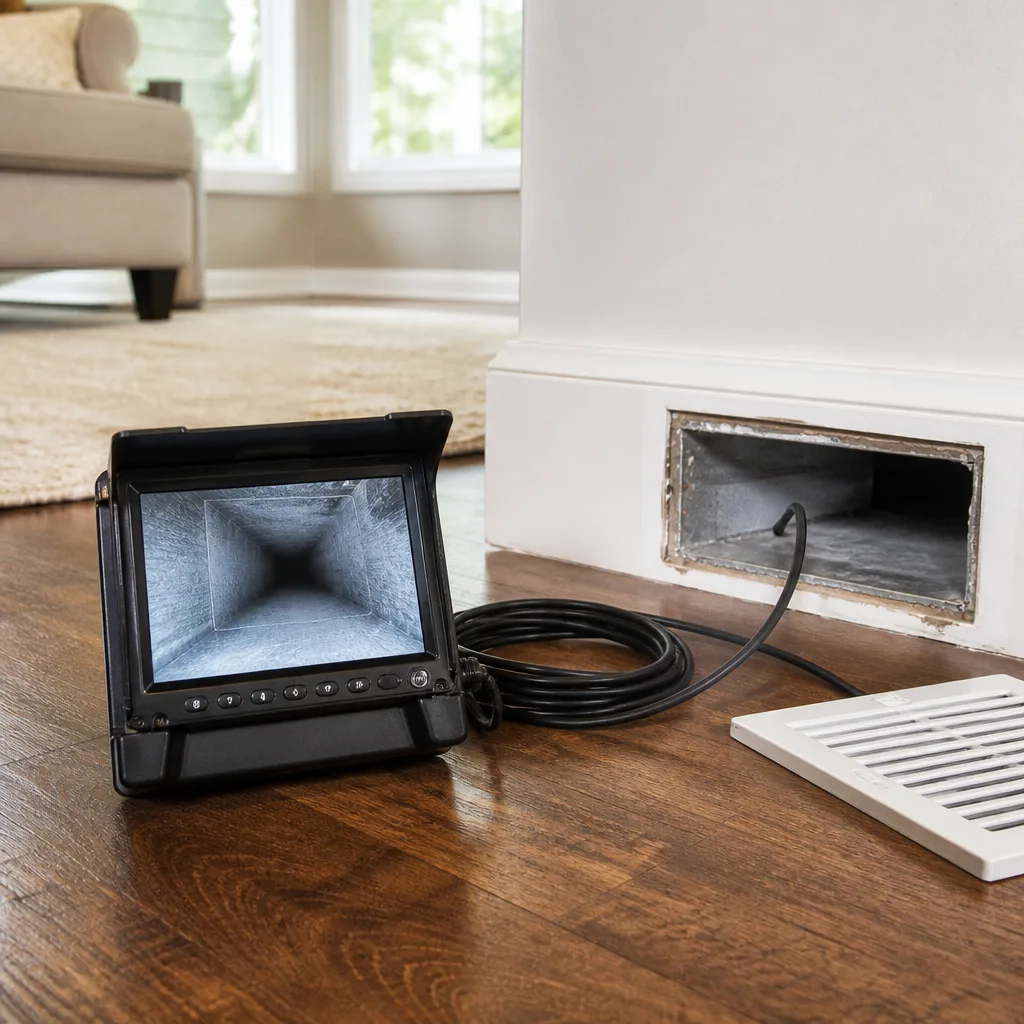 Camera inspection
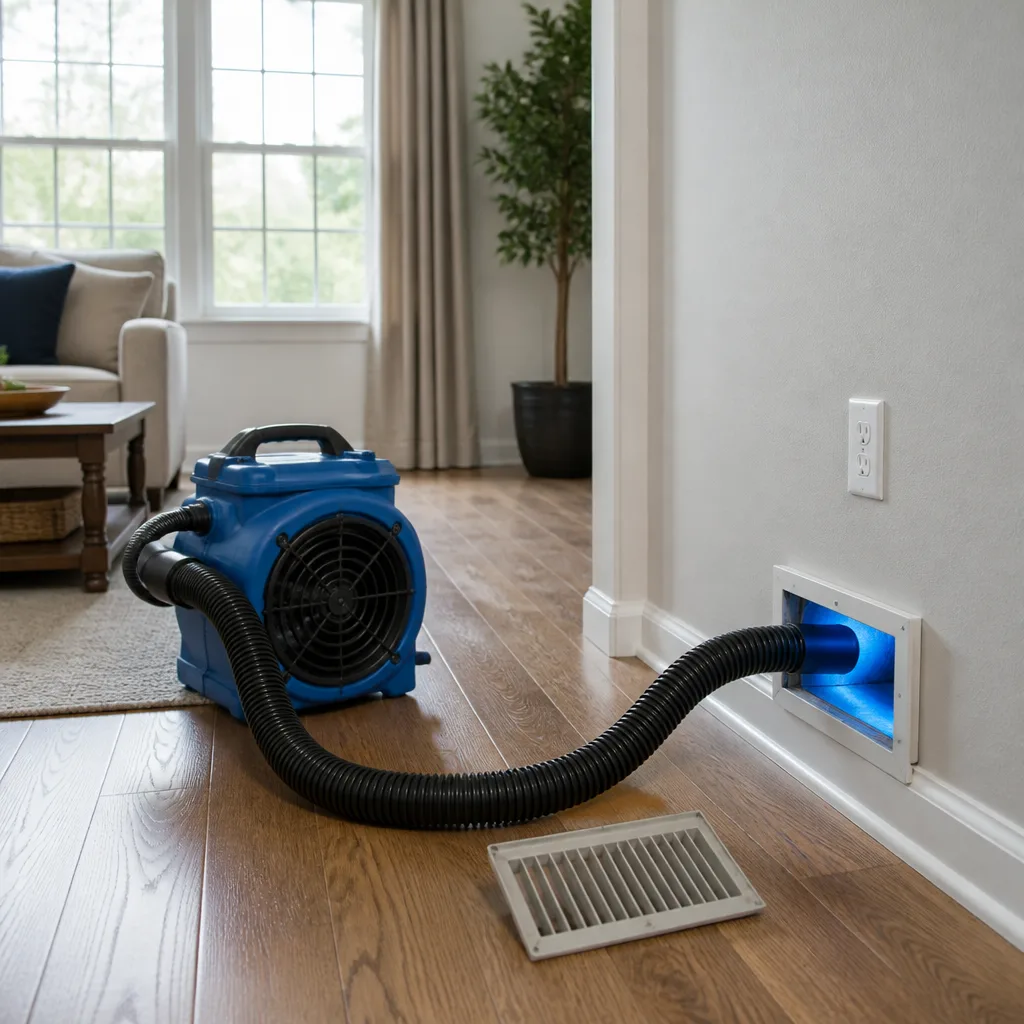 Sanitizing & deodorizing
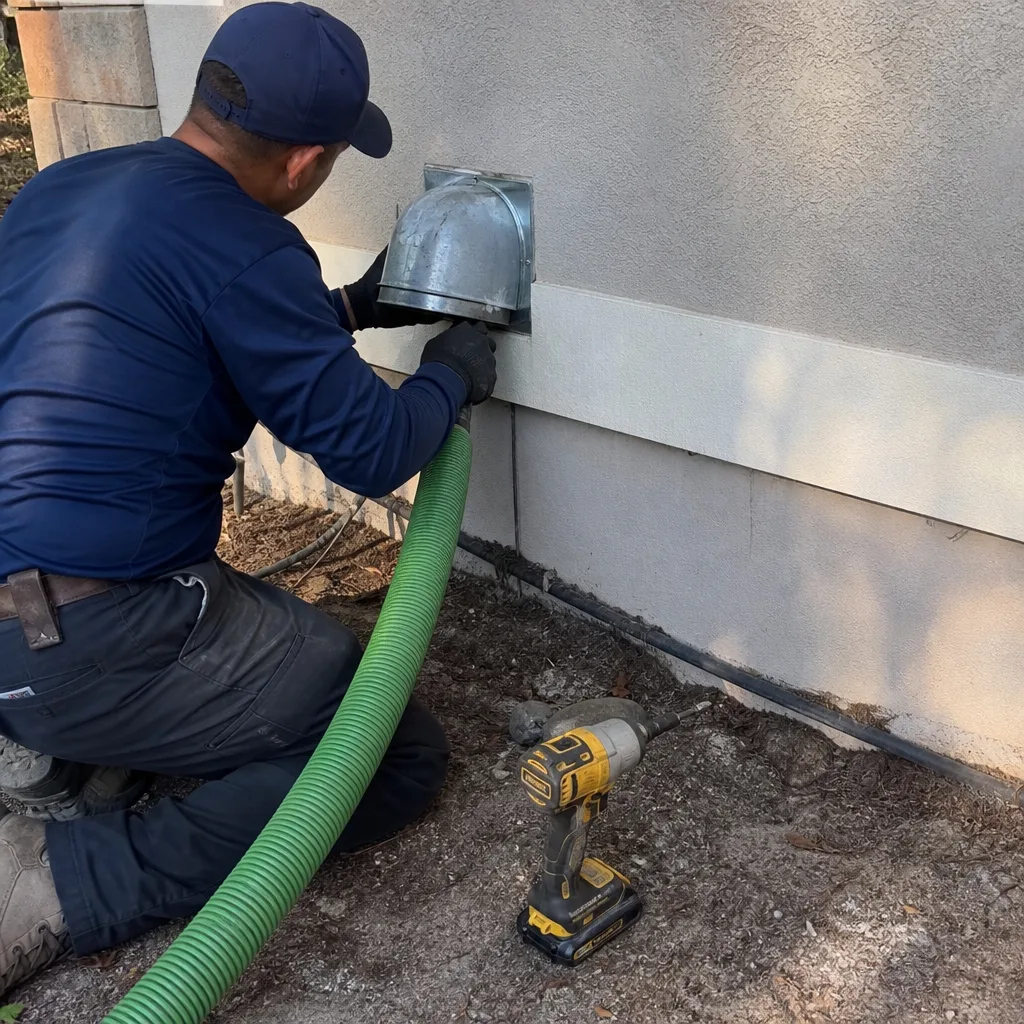
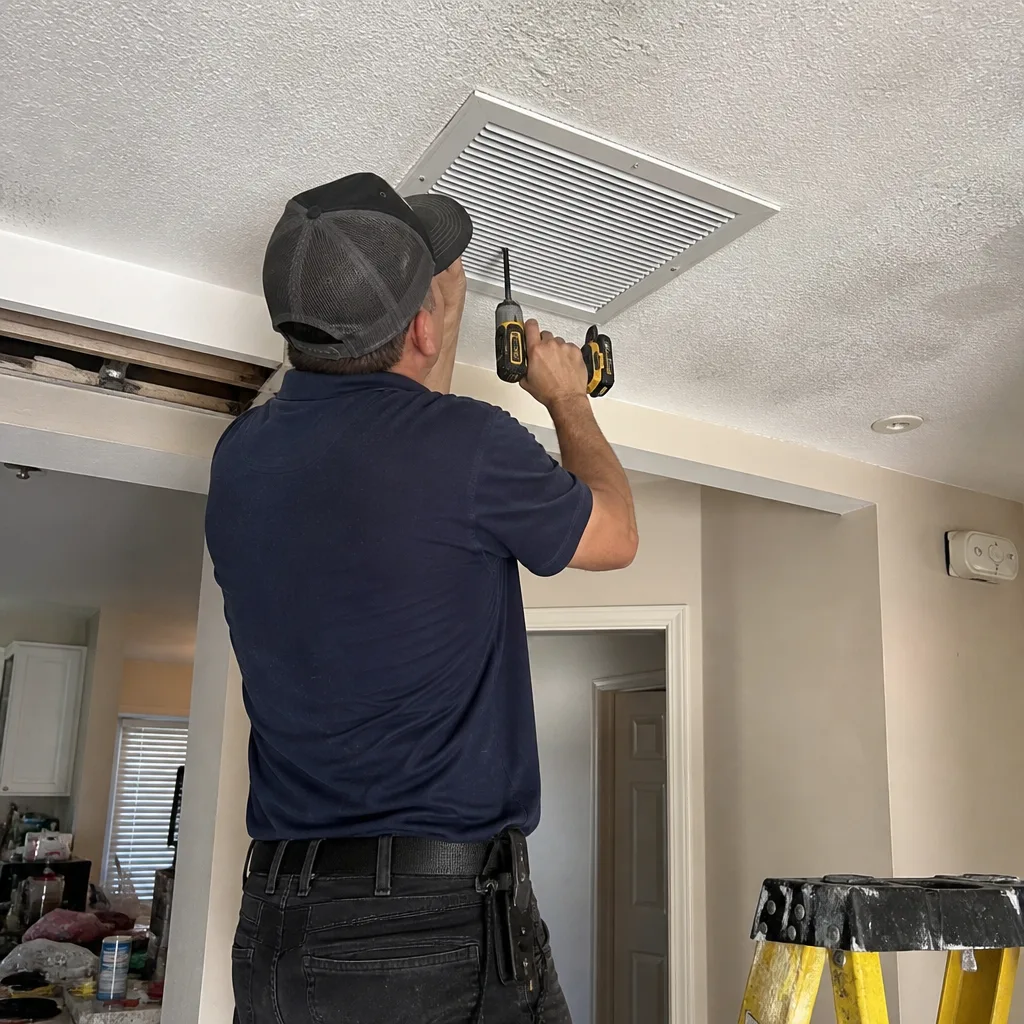
Whole-system duct and dryer vent check with before-and-after photos - you see exactly what came out of your vents
That "$99 whole-house special" is a bait ad - the real number appears once they are in your hallway, or the "clean" is a shop-vac at the register. We photograph the inside of your ducts before and after instead.
Rotobrush Vent Sanitizing: The Orlando Owner’s Guide
If your Rotobrush vent sanitizing setup has stopped working the way it should, we stock and install Rotobrush-compatible sanitizing components across Orlando, with most replacements running $220 to $420 installed depending on your model and what actually failed. Most owners discover the problem the same way: the sanitizing output drops to a weak mist, the unit runs but doesn’t disperse anything, or they get an error code they’ve never seen before. You don’t need to guess which part failed. Paul Adeyemi and our team at Mortons Air Duct Orlando can identify it, quote a flat installed price, and get it swapped during a scheduled visit.
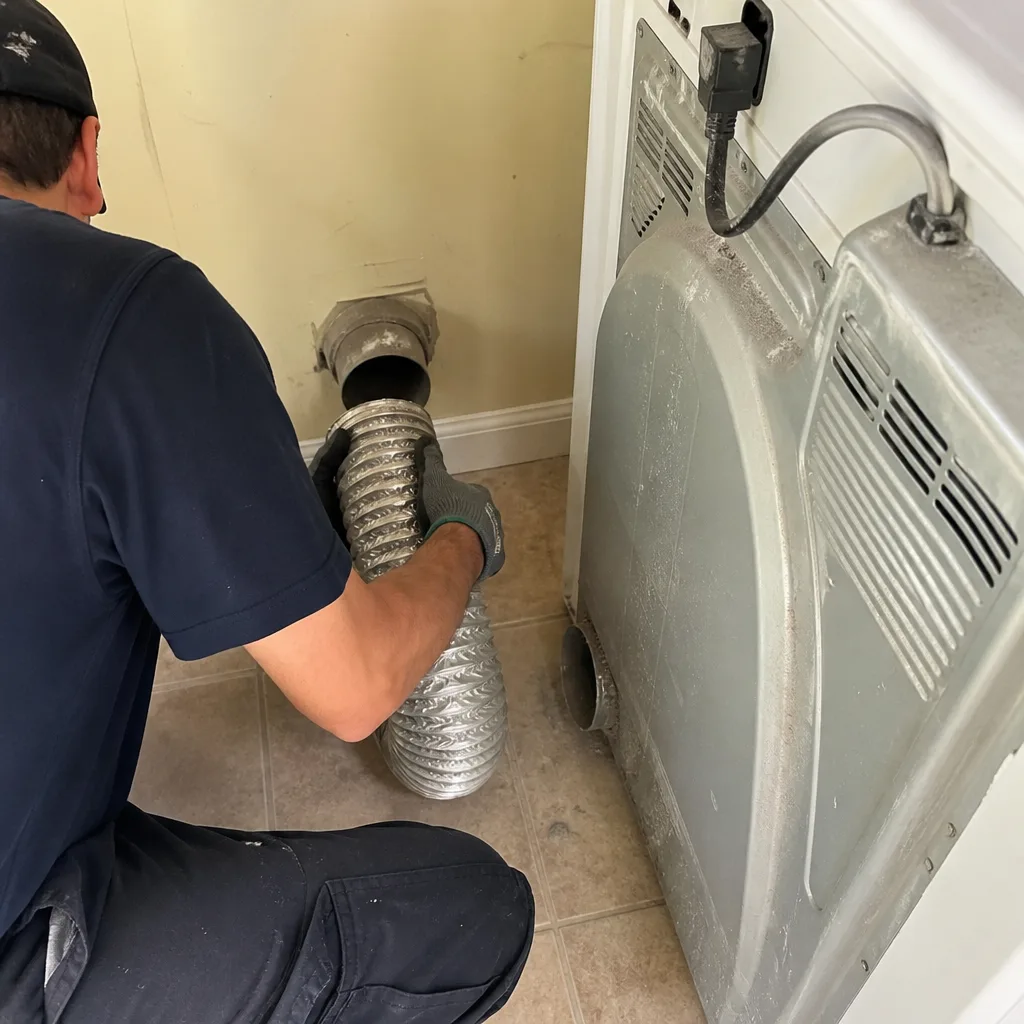
We’re an independent Orlando service company, not affiliated with Rotobrush. That matters because we carry Rotobrush-compatible sanitizing components and also keep alternatives on hand from Nikro and Abatement Technologies when an OEM part is backordered or overpriced for what it is.
Which Rotobrush Models This Applies To
Rotobrush has shipped several sanitizing systems over the years, and not all parts cross over between them. The sanitizing components we handle for Orlando customers generally fall into three groups: the early AiR+ fogger line, the Roto-Shine/Roto-Vision era systems that paired fogging with camera inspection, and the newer eXL and Pro+ series. Here’s the compatibility gotcha we see often: the spray tips and pickup tubes from the AiR+ generation do not fit the eXL or Pro+ sanitizing manifolds without an adapter, and that adapter was never a widely distributed aftermarket item. Owners who buy a tip online and expect it to thread on are usually surprised. Before you order anything, check the label plate on the unit body. Rotobrush prints the series name and a serial prefix there. If the label is gone or rubbed off, we match threads and orifice size with a gauge set on the truck.
The OEM-versus-aftermarket decision for Rotobrush parts is simpler than most owners expect. Rotobrush sanitizing tips, seals, and pump diaphragms are well made, but so are the aftermarket equivalents from Guardsman and Abatement Technologies. The real question is fit tolerance. Rotobrush manifolds are machined to tighter clearances than generic fogger parts, which is why a cheap universal tip will spray unevenly or drip. For anything that touches the manifold or pump head, we recommend OEM or a known-compatible equivalent. For external items like solution tanks and pickup tubes, quality aftermarket parts work just as well and sometimes cost 30% less.
Styles & brands we work with
Signs Your Rotobrush Vent Sanitizing Is Failing
- Weak or sputtering mist instead of a fine fog. Usually a clogged spray tip or a pickup tube drawing air past a cracked seal. In Orlando’s humidity, sanitizing solution can leave residue that hardens faster than you’d expect, especially on units stored in garages without climate control.
- The unit runs but nothing comes out. This is almost always the pump diaphragm. If you hear the pump humming and the solution level doesn’t drop, the diaphragm has torn or lost its seal. Running it too long like this makes the repair worse.
- Error code you’ve never seen. Rotobrush sanitizers use simple control boards, and most error codes point to sensor failure rather than a mechanical problem. The fix is usually a sensor swap, not a whole new unit.
- Solution leaking around the tank or base. Orlando’s heat cycles expand and contract plastic tanks, especially during the summer. Small cracks at the neck or the bottom seam are common on units older than five or six years.
- Inconsistent application from vent to vent. When the sanitizing coverage varies between registers, the issue is often a worn spray tip that no longer holds a consistent pattern. Tips are wear items. Replacing them once a year keeps every vent getting the same coverage.
See the difference
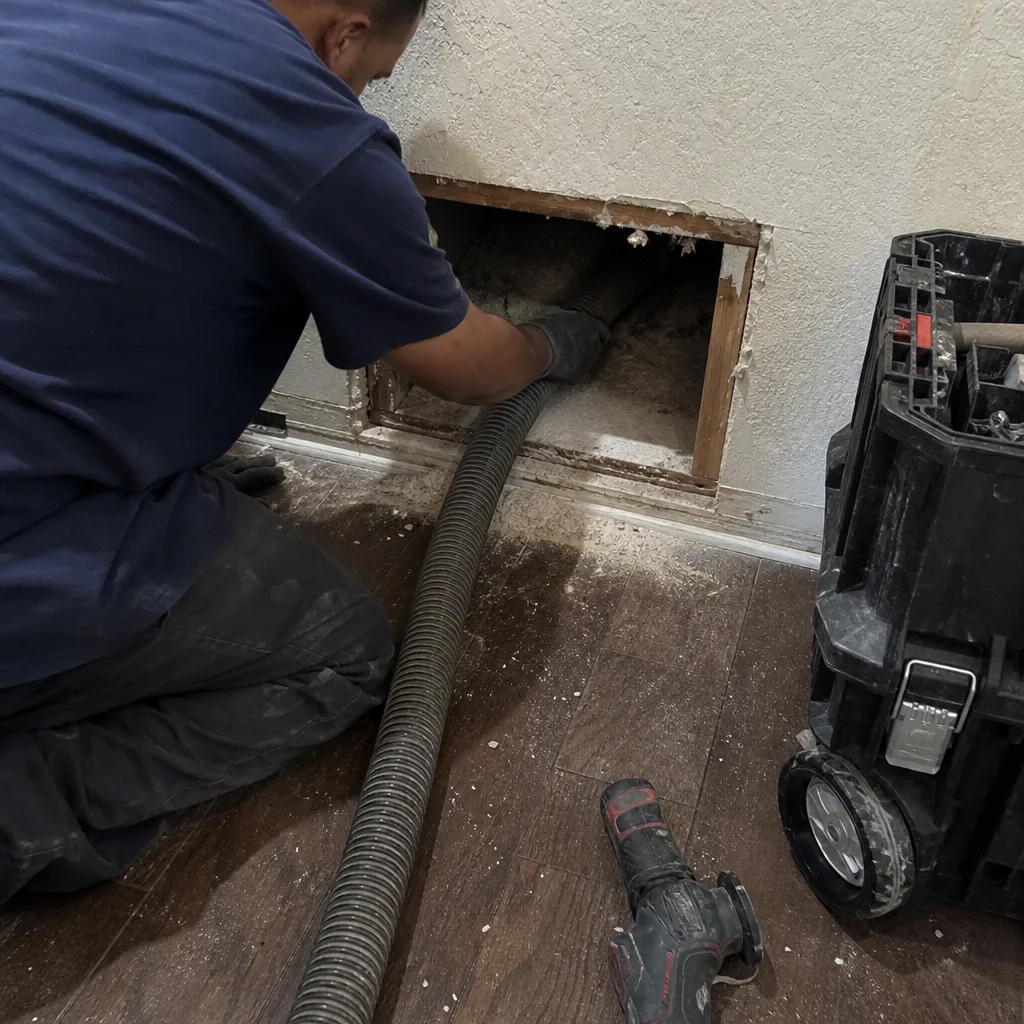 Before
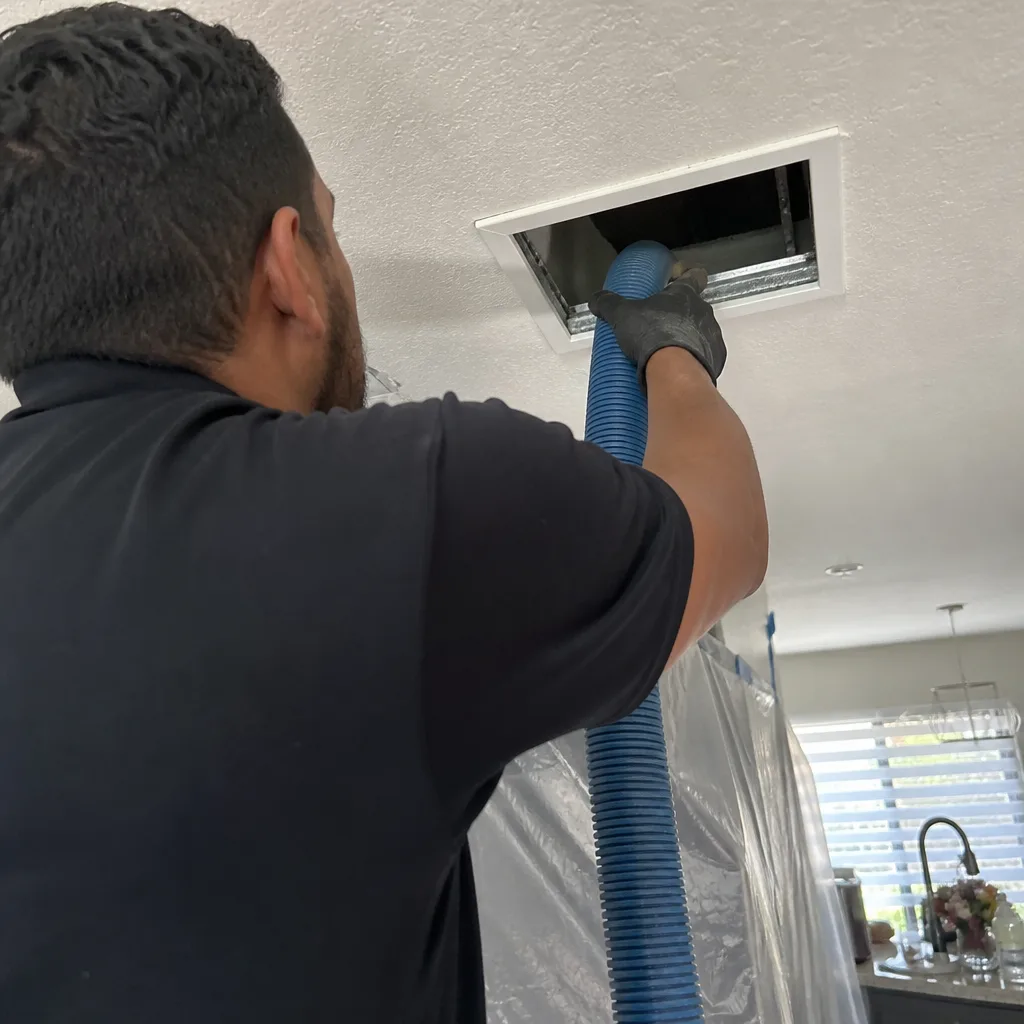 After
After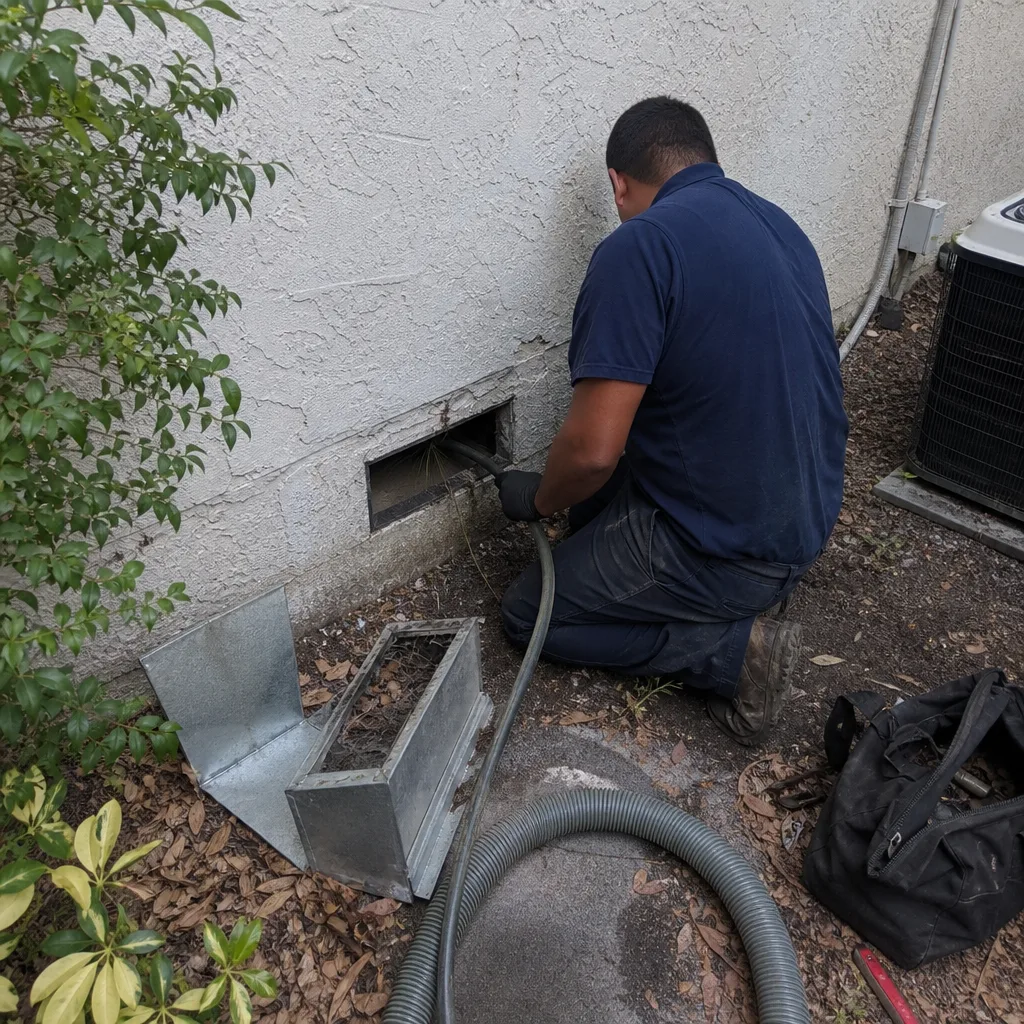 Before
 After
After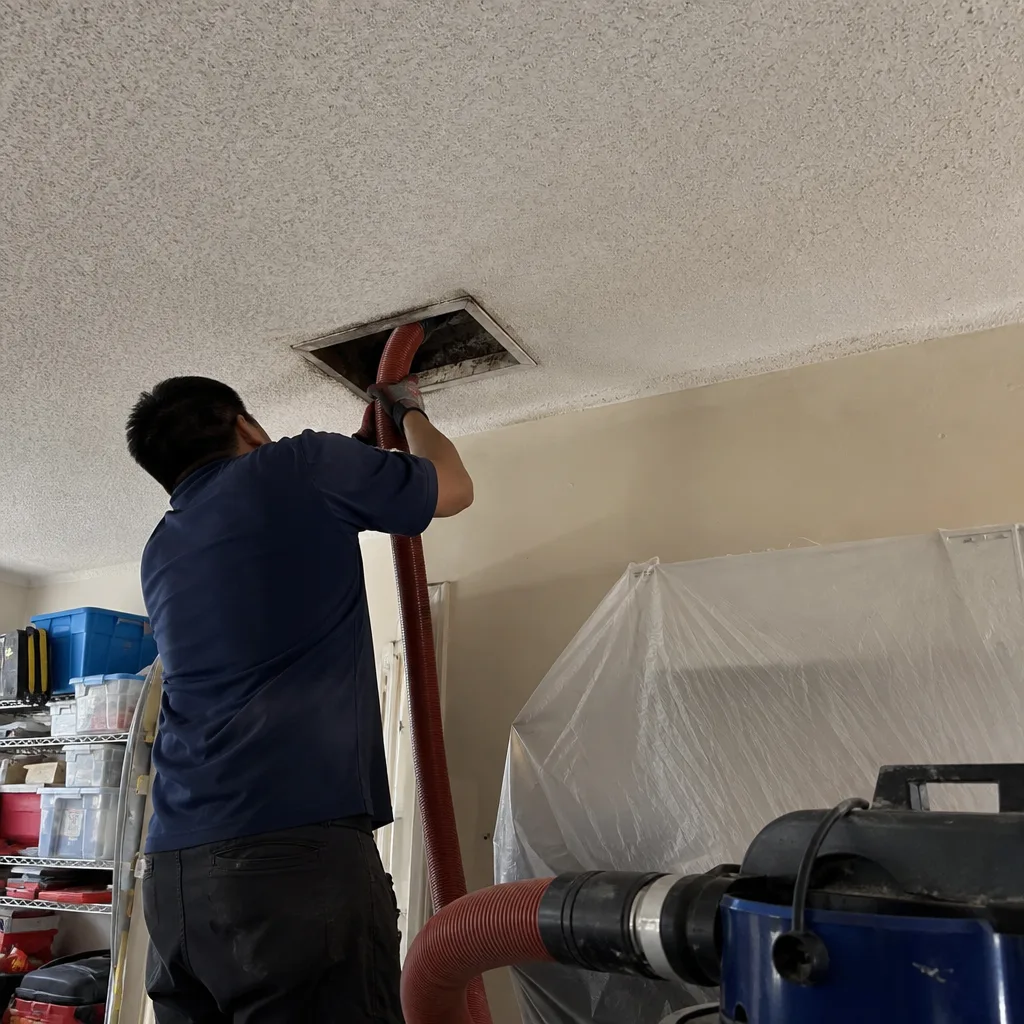 Before
 After
AfterReplacement Cost & What’s Included
For most Rotobrush vent sanitizing replacements in Orlando, you’re looking at $220 to $420 installed. Spray tip replacements sit at the low end. Pump diaphragm or sensor swaps land mid-range. A full manifold or control board replacement pushes toward the top. Here’s how that breaks down:
- Spray tip: $30 to $80 installed, done in about 15 minutes
- Pickup tube and seals: $60 to $120 installed
- Pump diaphragm: $90 to $180 installed
- Sensor: $80 to $160 installed
- Manifold or control board: $220 to $380 installed
The price you’re quoted is the price you pay. We write it down before any work starts, and it covers the part, the labor, and the time to test the unit so you know it’s distributing sanitizer correctly before we leave. Every Rotobrush part we install is backed by our 365-Day Done Right Promise: if it’s not working right, we make it right, full stop. That applies to the part and the install.
DIY or Call Us?
There are two things an owner can safely check and one thing they should leave alone. Safely check the solution level and look for obvious cracks in the tank or a loose pickup tube connection. That’s quick, sensible, and doesn’t put anyone at risk. The pump head and spray manifold are different. The sanitizer these units atomize is a chemical fog meant to coat surfaces. When the dispersal system isn’t working correctly, that fog can pool, drip into awkward spots, or vent into air you and your family are breathing. Taking apart the manifold or forcing a stuck pump without the right pressure testing risks a burst fitting or a bad seal that leaks solution onto the floor or into the return air. We tell you what we found, what we will do, and what it costs – before we start. If you’ve checked the simple things and the problem is still there, call (321) 204-8194 and we’ll sort out the rest.
FAQs
Most Rotobrush sanitizing systems last five to eight years in Orlando with regular use, though individual parts wear out sooner. The humid Florida climate and the heat in unconditioned garages and truck beds accelerate seal breakdown and tip clogging, so you may replace a spray tip every year and a pump diaphragm every three to four years while the main unit itself keeps going. Call (321) 204-8194 and we can inspect your unit and tell you which parts need attention before they fail mid-job.
Yes, in almost every case we can repair the failing component rather than replace the whole unit. Spray tips, seals, pickup tubes, diaphragms, and sensors are all individually replaceable, and only a catastrophic manifold crack or board failure would push you toward a full replacement. Most repairs cost $80 to $300, which is far less than a new unit. Call (321) 204-8194 and we’ll diagnose the exact part over the phone or in person.
The actual part swap usually takes 15 to 45 minutes depending on the component. A spray tip is a five-minute bushing change. A manifold replacement with testing and calibration runs closer to an hour. We schedule the visit around your day, and because we bring Rotobrush-specific parts on the truck, most replacements are finished in one visit. Call (321) 204-8194 for an exact schedule estimate.
We keep Rotobrush spray tips, seals, pickup tubes, and pump diaphragms stocked for the AiR+, eXL, and Pro+ series, along with compatible parts from Nikro, Abatement Technologies, and Guardsman. In practice we also stock a limited set of parts for Lennox, Trane, and Carrier systems for the broader Orlando HVAC market. If we don’t have a board or manifold on hand, we can usually source it within a few business days. Call (321) 204-8194 to have us check before you drive anywhere.
Written by Paul Adeyemi, Owner, Mortons Air Duct Orlando at Mortons Air Duct Orlando, serving Orlando and nearby areas.